
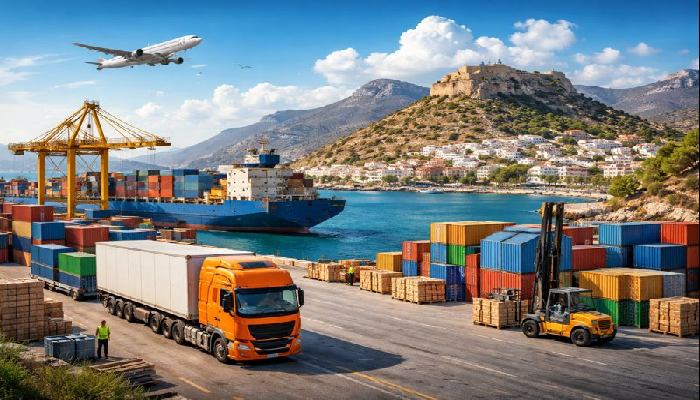
Logistics Industry has always been the backbone of global trade, ensuring that goods move efficiently from manufacturers to consumers. In recent years, rapid technological advancement has fundamentally reshaped how logistics companies operate, compete, and deliver value. From automation and artificial intelligence to real-time tracking and data analytics, technology is driving unprecedented efficiency, transparency, and customer-centricity across the logistics ecosystem. customs clearance
Digitalization and Automation of Operations
One of the most significant transformations in Logistics Industry is the digitalization of traditionally manual processes. Warehouse management systems (WMS), transportation management systems (TMS), and enterprise resource planning (ERP) platforms have replaced paper-based workflows with integrated digital solutions. These systems streamline order processing, inventory management, and shipment scheduling, reducing errors and improving speed.
Automation plays a crucial role within warehouses and distribution centers. Automated storage and retrieval systems (AS/RS), conveyor belts, robotic picking systems, and autonomous forklifts allow facilities to operate around the clock with greater accuracy. By minimizing human intervention in repetitive tasks, companies reduce labor costs, improve safety, and increase throughput—critical advantages in an era of growing e-commerce demand.
Artificial Intelligence and Machine Learning
Artificial intelligence (AI) and machine learning (ML) are transforming Logistics Industry decision-making. These technologies analyze vast amounts of data to identify patterns, predict outcomes, and recommend optimal actions. For example, AI-powered demand forecasting tools help companies anticipate order volumes more accurately, enabling better inventory planning and reducing stock outs or overstocking.
Route optimization is another area where AI delivers major benefits. By factoring in traffic conditions, fuel costs, weather, and delivery windows, intelligent routing systems determine the most efficient paths for vehicles. This not only reduces delivery times but also lowers fuel consumption and carbon emissions. Over time, machine learning models continuously improve as they process new data, making Logistics Industry operations smarter and more adaptive.
Real-Time Tracking and Internet of Things (IoT)
The Internet of Things (IoT) has introduced unprecedented visibility into Logistics Industry operations. Sensors attached to vehicles, containers, and individual packages provide real-time data on location, temperature, humidity, and shock. This is especially valuable for industries such as pharmaceuticals and food, where maintaining specific environmental conditions is critical.
Real-time tracking enhances transparency for both Logistics Industry providers and customers. Businesses can monitor shipments at every stage of the journey, quickly identifying delays or disruptions. Customers benefit from accurate delivery estimates and the ability to track their orders in real time, which has become a standard expectation in modern commerce.
Blockchain for Security and Transparency
Blockchain technology is emerging as a powerful tool for improving trust and transparency in logistics. By creating a decentralized and tamper-proof ledger, blockchain enables secure sharing of shipment data among multiple stakeholders, including manufacturers, carriers, customs authorities, and retailers.
This technology helps reduce fraud, streamline documentation, and accelerate customs clearance processes. Smart contracts—self-executing agreements coded on the blockchain—can automatically trigger payments once predefined conditions are met, such as successful delivery. As global supply chains grow more complex, blockchain offers a reliable way to manage data integrity and accountability.
Advanced Data Analytics and Predictive Insights
Data has become one of the most valuable assets in logistics. Advanced analytics tools turn raw operational data into actionable insights that support strategic planning and continuous improvement. Companies use data analytics to evaluate carrier performance, identify bottlenecks, and measure key performance indicators such as on-time delivery and cost per shipment.
Predictive analytics goes a step further by anticipating future disruptions. By analyzing historical data and external factors—such as weather patterns or geopolitical events—logistics firms can proactively adjust their plans. This resilience is especially important in a world where supply chains are frequently disrupted by global crises, natural disasters, or sudden demand shifts.
Autonomous Vehicles and Drones
Autonomous vehicles and drones represent the next frontier in logistics innovation. Self-driving trucks have the potential to transform long-haul transportation by reducing labor shortages, improving safety, and enabling continuous operation. While widespread adoption is still developing, pilot programs already demonstrate significant efficiency gains.
Drones are increasingly used for last-mile delivery, particularly in remote or hard-to-reach areas. They offer faster delivery times and lower operational costs for small, lightweight packages. As regulations evolve and technology matures, autonomous delivery solutions are expected to play a larger role in logistics networks.
Sustainability and Green Logistics
Technology is also helping logistics companies address environmental concerns. Fuel-efficient routing, electric vehicles, and energy-optimized warehouses contribute to reduced carbon footprints. Digital tools enable companies to measure emissions accurately and implement sustainability initiatives aligned with regulatory requirements and consumer expectations.
Green logistics is no longer just a corporate responsibility initiative; it is a competitive differentiator. Customers and business partners increasingly favor companies that demonstrate environmental accountability, and technology provides the means to achieve and showcase these goals.
Conclusion
Technology is fundamentally transforming the Logistics Industry, redefining how goods are stored, transported, and delivered. Automation, AI, IoT, blockchain, and data analytics are not just improving efficiency—they are enabling more resilient, transparent, and customer-focused supply chains. As global trade continues to expand and customer expectations rise, logistics companies that embrace technological innovation will be best positioned to thrive in an increasingly complex and competitive environment.